What’s Your Garden Style

Do you prefer the packed plants of a cottage garden, or the sleek lines of a modern garden? By knowing your particular garden style, it is easier to envision what your garden can become. For ease, I have categorized garden styles based on three types of gardeners.

Type One: I Hate Yard Work

Do you have no idea what a pair of loppers of for, or have yet to buy a shovel? This category just might fit you. Those who embrace type one do anything but gardening on a Saturday. They might love a variety of flowers, and shrubs, as long as they never have to do anything to them. Their gardens are often never seen or used for months at a time. If you belong to type one, your garden might fit one of the following styles:

Weed-driven

weeds

Elements: A minimum of cultivated plants, with preference for native and exotic invasive plants. Siberian Elms, annual grasses, thistles and bindweed are home in this garden. Maintenance involves avoiding dandelion diggers, weed killers and mulch.

Sterilized Ground

sterile

Elements: A sterilized ground garden is devoid of any plant life. Preference is given to rocks, concrete, and bare ground. This garden style is very popular with Round-up enthusiasts.

Type Two: I Have no Idea What I’m Doing

These gardeners are more involved in their gardens than type one. They have a variety of gardening tools and plants, none of which would be recommended by a horticulturist. Type two gardeners enjoy spending time in their gardens doing tasks that usually make things worse. If you are a type two gardener, your garden might fit into one of the following styles:

Overabundance of Petunias

petunia

Elements: Common plants like petunias proliferate, although generally do not thrive. Cement curbing, large swatches of lawn, and perhaps a few roses also are common elements in this style.

Power Tools

power tool

Elements: Hedge plants and over manicured lawns are a must. The more tasks that involve a gas driven tool the better. Hedges are often half dead, and topping trees is common.

Death is Okay

death

Elements: At least several dead trees, straw-colored grass, combined with sickly roses are hallmarks of this garden. Usually plants are chosen based on any characteristic except if it is well adapted to the location.

Type Three: Boring is Better

Type three gardeners enjoy a very small palette of plants, with no visual interest. Beds are typically undersized and filled with nothing in particular. All garden work is concentrated to one or two types of plants.

Lawn Only

lawn

Elements: The only plant allowed is lawn, and perhaps a tree. Often maintained to shiny green, lawn is everywhere, including small side yards and awkward corners. This style is great for those who enjoy mowing lawns for long hours during the summer.

Transition

transition

Elements: These gardens are typically once well-maintained gardens, that are slowly reverting to nothingness. All flowers and shrubs in beds are best left alone and will hopefully die quickly, making way for beds with a small covering of wood chips or rocks and plenty of visible week fabric.


Hopefully now you have narrowed down you garden type and style. I would love to see more pictures of the styles listed above. (Mine were all from my archives and some aren’t as representative of the style as I would like.) Please head over to my Facebook page and share.

World Map

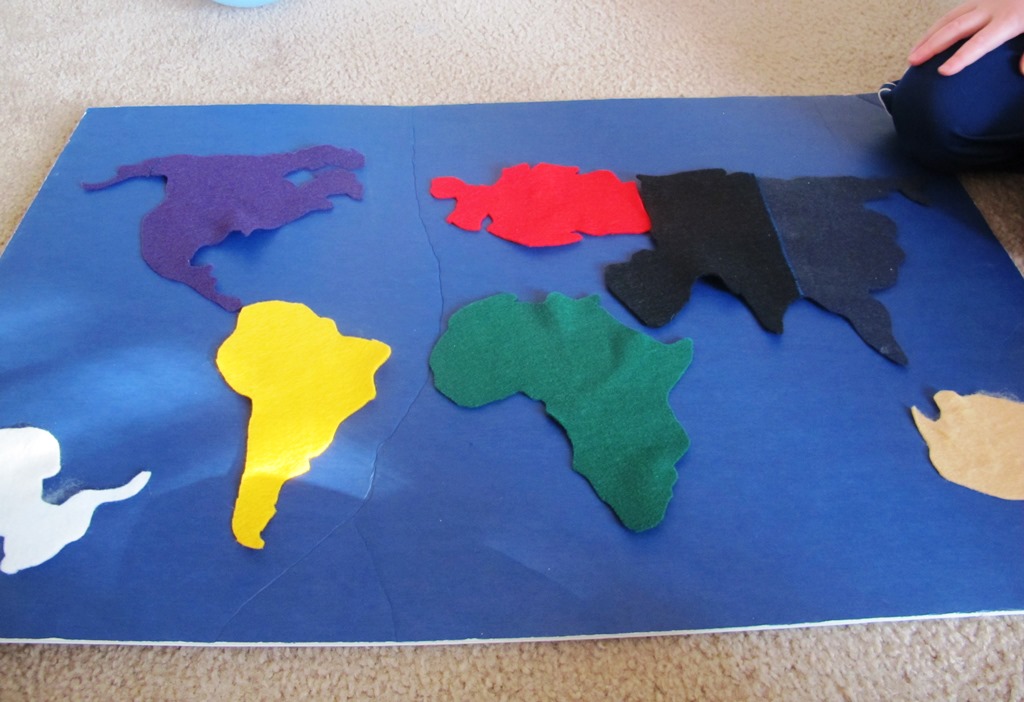
I’ve been recently try to integrate more Montessori methods in my school. It somewhat can get expensive and complicated, but they also have some great ideas and materials. I recently put together this Montessori-inspired world map.

map

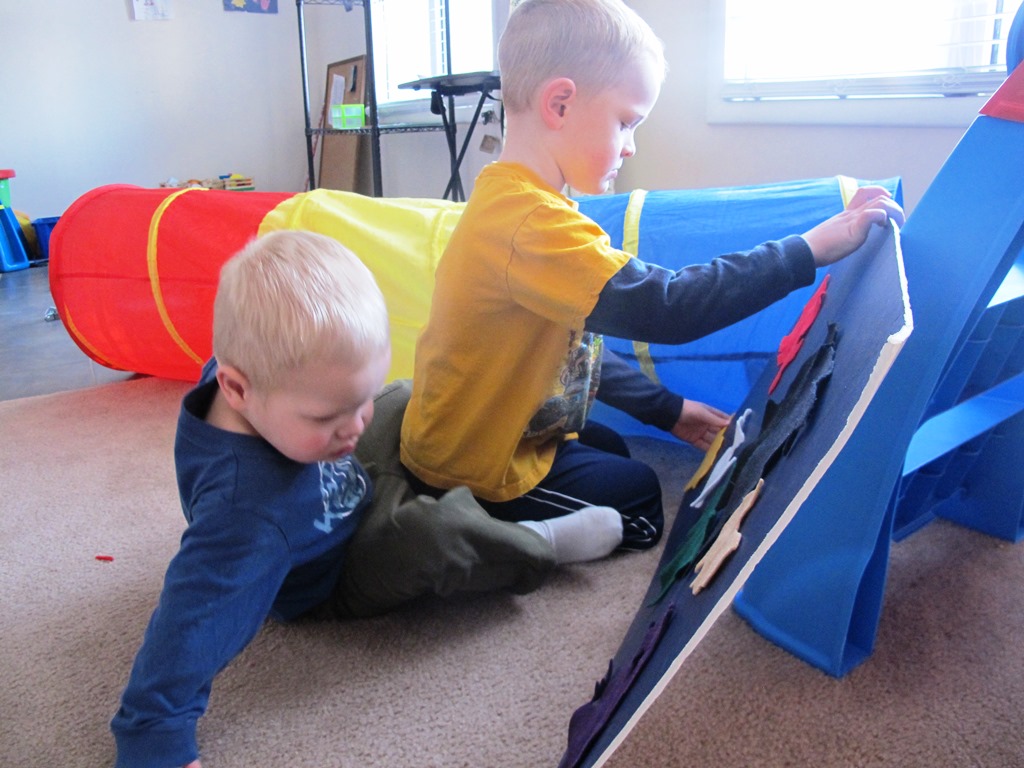
I used material I had on hand. My template came from Imagine Our Life, who has a more awesome version on her site. I used Velco stuck to the foam board to make it a puzzle. PB is already interested in geography: one of his favorite computer games is to look around on Google earth. He’s enjoyed this map and it was pretty easy to make. 

map2

Hiring a Landscape Professional

In the world of landscaping (and probably any career), there is a slew of certifications, and education paths. Right now I’m a stay at home mom primarily. It gives me a chance to think about where I want to go in my career after my children get older, and there are a lot of options for continuing education. Here’s a look. I thought this would be very useful for those looking to hire people, which is why I’m posting it. Many references are state specific, and I based all mine in Utah, where I live.

Master Gardener: Being a Master Gardener is essentially being a volunteer for the extension service. There is an associated training course that is good but not extensive. It is nowhere near a Master’s degree despite the title. Anyone claiming to be a master gardener professionally shouldn’t: the title should be restrained to volunteer work with the extension. (I put this up here, so people would know exactly what it is and not think Master Gardeners are well-qualified landscaping professionals. They are not, and never will be.)

Horticulturist: Understands the cultivation of plants. It doesn’t have a definite meaning, but should mean a degree in horticulture or related field or extensive work experience. Certification is available through the ASHS.  I have a BS in Ornamental Horticulture, so this is what I most frequently call myself.

Landscape Architect: Understands and designs the structures of outdoor spaces. They are licensed by the state, and have a degree in Landscape Architecture.

Landscape or Garden Designer: Designs outdoor spaces. Anyone can be a garden designer, but preferably there are degree programs and ALPD certification.

Arborist: A tree surgeon, primarily working with cultivated trees. Certification is pretty standard through the ISA, an arborist will frequently also have a degree.

Landscaper: Installs or maintains landscapes. No qualifications needed, should have a general contractors licence from the state, and many also have other certifications and a degree in a related field.

Nursery Professional: Grows or sells plants. The person or business should be licensed through the Utah Department of Agriculture, and can also receive certification through the UNLA.

Irrigation Designer: Can be a landscape designer or landscape architect. Should have specific experience/coursework in irrigation design. Certification available through the IA.

Pesticide Applicator: Anyone who applies chemicals commercially. Licensed through the Utah Department of Agriculture.

Permaculture Designer: Designs landscapes using the principles of permaculture and received minimally a permaculture design certificate.

Extension Agent: Works for the land grant university (USU here), has a masters degree in plant science or related field.

There is a lot of overlap here, but there’s a starting point and some things to look for.


School Projects

One of our big projects for school was moving the school room downstairs. Previously, we had been using the downstairs living area as a master bedroom. It was the only way we could sleep near the kids. But we decided with a baby monitor and kids that usually sleep through the night it didn’t matter that much. The upstairs attic room makes an awesome master bedroom, and the downstairs living area makes an awesome school room. It was a good move. (Minus the occasional two-flight of stairs in the middle of the night to adjust Mr. C’s blankets and tell him to go back to sleep.)

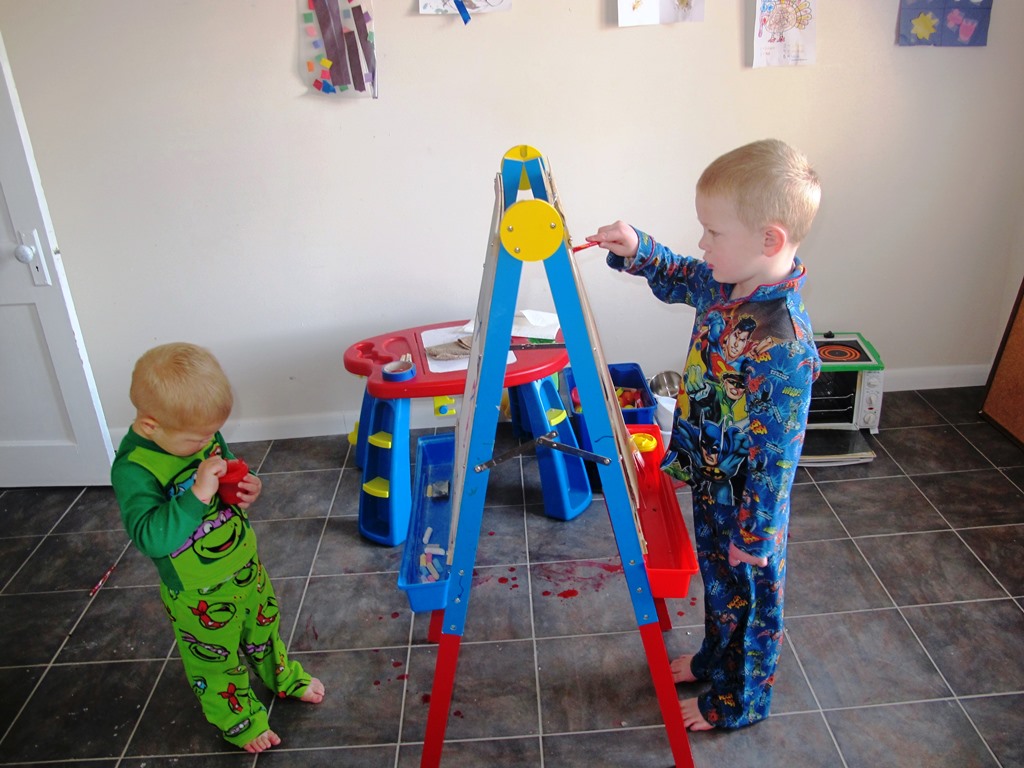
Now we can paint on already paint-stained tile:

paint

I’ve been picking red a lot to paint with it, and I have no idea why. It reminds me far too much of blood and has the greatest tendency to stain. I do like only giving the kids one color to paint with, it is just a little more simple.

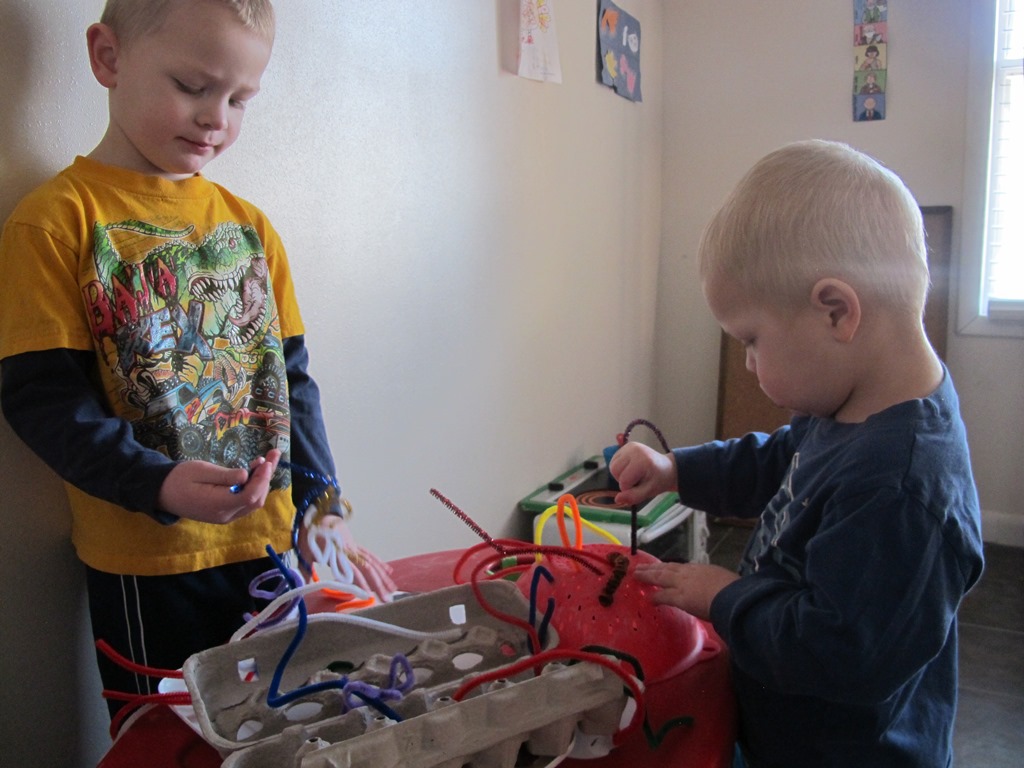
The kids also made a cool hat with piper cleaners and a colander.

hat

hat2

Now Mr. C is going to time travel past his whiny, crying far too often stage. (Or I can hope. He is a sweet kid, just recently he is discovering he wants things he can’t get and he doesn’t like it.) Speaking of wanting things, nothing gets the kids into the kitchen like announcing that I am making cookies. They love, adore, and nearly worship cookies. Here is Mr. C covered in cookie dough.

cookie

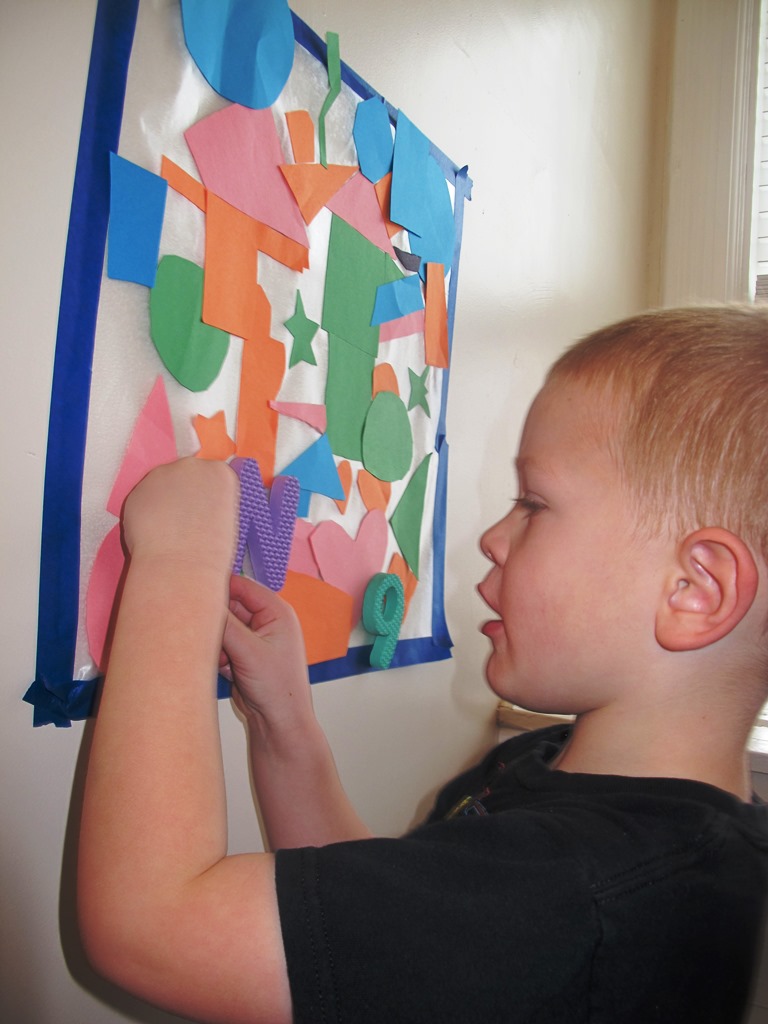
One final picture of a contact paper collage. The collage was worked and re-worked for a couple of weeks. PB is now old enough to cut out his own shapes too.

contact

Snowshoeing

I don’t know if we will be able to convince PB to go snowshoeing again. We decided to go on a quick hike Saturday. I had noticed a small side canyon barely up Perry Canyon that looked perfect for a bit of snowshoeing. So we went. We tend to go up very steep hills while snowshoeing. Inaccessible hills in the summer are changed by the snow, and small deer tracks are the perfect snowshoeing trails. PB wasn’t so sure going up the side of a mountain was fun…it was more terrifying. But he hung on to me and made it up and back down the steep slope, even if a few tears were shed. I was enjoying myself immensely, it was beautiful day.

trail

On the way back was the worst part. He fell in a puddle soaking his boots and feet, and most of his pants. Luckily we were almost back to the car.

Ice Castles

I’ve watched this video a lot, and when I saw that they had ice castles a half hour away from my grandparents, I had to go. Great place for some good pictures and fun exploring.

fam

color

This sad little boy had cold hands. Luckily Mom had better gloves for him. ice

wow

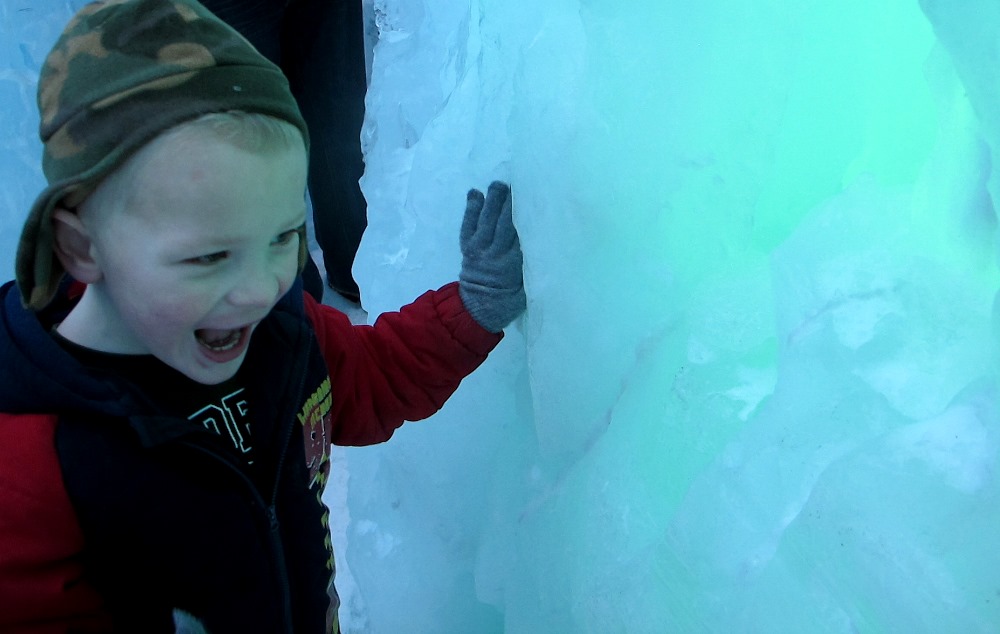
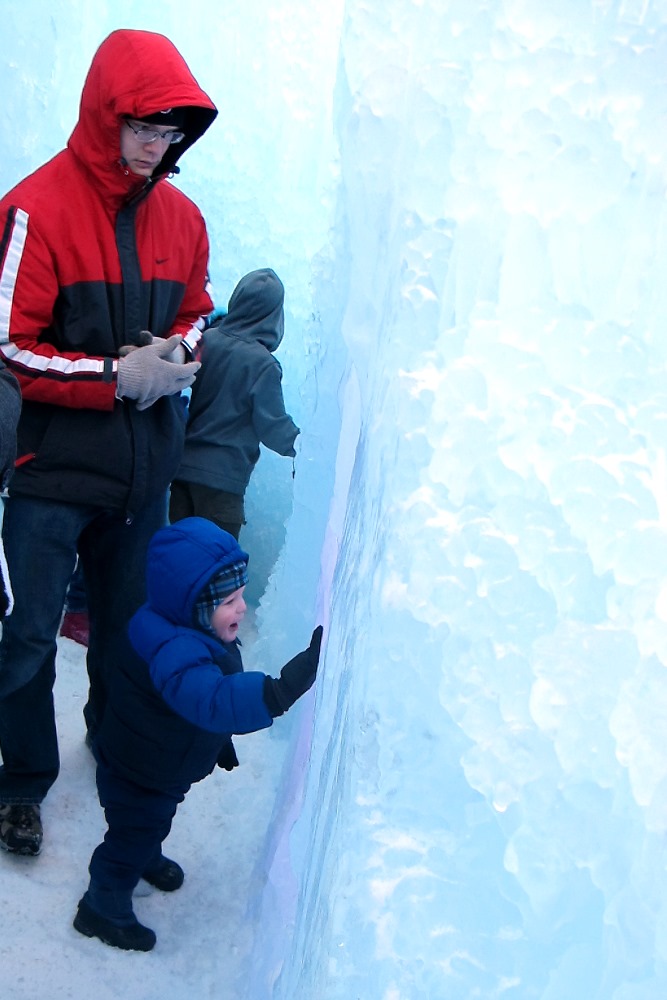
The kids were amazed at the ice lighting up with different colors when it started to get dark. 
ice 3 ice 4 ick

PB did try to eat much of the ice. And the really gross snow on the ground. mom pandaThere wasn’t a panda there…just my sister in her panda hat.


Mr. C

014

This is a bit on Mr. C. He has been good at making good stories for his mom to tell lately.
*
When I had a bunch of family over, C destroyed a roll. I had to vacuum that up. Soon after he pulled out all the games upstairs. I even had put the game shelf in the closet to avoid such messes, but he was a having a blast in the closet that someone else opened up for him.

I ignored the mess until the next day. While I went up and cleaned up all the games, PB came up and informed me that C was making a big mess. (I’ve asked him to tell me.) He had emptied sprinkles all over the dining room and stairs.

I vacuumed that all up, and was just about done when I looked over and there he was with a ripped cereal bag spreading cereal all over the hall. The little vacuum was very full when I was done. He finished out the morning with a very full diaper.
*
At a final family Christmas party, C was very easy to get to come eat. I showed up with a brownie and he shouted,  “Cake, cookie!” and came running. Later on, I found him with seven cookies in a bowl, all excited and ready to eat. He is a little cookie monster, but I’m glad he’s not picky and eats just about anything. Joe made some cookie dough and left it in the fridge. I have gone around the corner into the kitchen several times to find him sitting on the floor with the bowl between his legs eating as much cookie dough as he can. He was very distraught over the makeshift fridge lock soon after. 
*
C will say, “Watch this,” or more like “Waashiss”,  before doing a little stunt–going down a slide, jumping on the bed. It is cute. He copied PB, as PB does it all the time. I don’t mind the invitation to watch.
*
C got out the potty and wipes and said poopy. He sat on their for a while. Ten minutes later after his diaper was back on he actually pooped. I think this kids is going to be much easier to potty train that PB who took until he was over 3.5

Widespread Ecological Design

So this post doesn’t necessary apply to my normal audience, but the thoughts were up in my brain, so I’m writing them out anyway.

I’ve recently began studying permaculture, which has been very fascinating to me. Permaculture is ecological design, or fitting human needs into natural systems. In the garden, I like to focus on systems and problem solving. I’ve never quite been a plant enthusiast, as many gardeners are. Permaculture is a good fit for me. But a main problem with permaculture is it can get complicated, and hence will not be for an average landscape owner.

What we do see in average landscape is a bunch of lawn, hopefully some trees, and maybe a small mixed bed and vegetable garden patch. It works, but it isn’t particularly attractive, low maintenance or ecologically friendly.  I don’t see many people outside because, in addition to other reasons, of the boredom and lack of functionality of a normal landscape.

I think the layout of our landscapes has been greatly determined by what facets of the industry have been simplified effectively. Lawn care is not in actuality simple–I took an entire collage course about it. But the industry has simplified the process with readily available sod, four-step fertilizer programs, and an abundance of lawn care companies. Simplification has transformed lawn into the landscape solution of choice…if you’ve got empty ground you plant grass. One plant (not really, but that’s what people see), one set of maintenance tasks  embraced by big box stores, and a multitude of resources available. Lawn care isn’t necessarily simple, but by portraying at such, it has enabled the saturation of lawn care products, and maintenance and chemical companies that keep prices cheap, and help easy to find.

Lawn is useful, but the unworthy of the monopolistic  role it has in our landscapes. Other options exist, but now require a lot of effort for an average homeowner. It usually requires quite of bit of work and research, it costs more, and maintenance isn’t as clear cut. What often happens is a what could have been a beautiful mixed border ends up a weedy patch of unwanted plants and dead flowers.

I love ecological methods like permaculture, rain gardens, wildlife gardens, natives, edible landscaping, xeriscaping, and forest gardening. There are thousands of beautiful, durable and useful plants all ready to create amazing landscapes. But until the industry simplifies such methods, they will never catch on past the garden enthusiast.

One way where I have actually seen a garden method catch on is square foot gardening. It simplified the implementation and maintenance of a vegetable garden. I don’t agree with everything in square foot gardening, but it is an example to others wanting to push for new methods in landscaping. Simplify it, make it applicable to everyone, and perhaps even a product to be sold at big box stores.

Although it would be nice if people turned to landscape professionals and independent garden centers when they needed landscaping, it doesn’t happen. In my mind I should be very busy doing garden consultations, helping people understand the diverse and wonderful word of landscapes and gardening, but I’m not. Most people aren’t interested in horticulture, they just want cheap quick fixes so their landscapes aren’t weed patches.

If we want wide scaled changes in the landscape we have to simplify ecological design, and make it approachable for everyone including those that want cheap, quick fixes.

Endnote for average person: If you are someone who would like to get away from traditional lawn and move toward ecological design or simply something lower maintenance and beautiful, go for it and know that there are lots of resources out there if you look past the basic big box store. It isn’t higher maintenance or more expensive, just different. 

2013 in Review

Here are some of my favorite pictures from this year:

  • Joe passed his board exam and found a job working as a Physical Therapist in the nursing homes.
  • We moved in February, after a couple of months at my Grandparents.
  • PB finally caught on to using the toilet. He also started to learn to read, and became an avid fan of numbers and unanswerable questions.
  • Mr. C learned to walk and started to talk. He also started sleeping through the night. Currently he loves balls, and trying to be like his big brother.
  • Spent lots of time at home doing various art projects, learning activities, and playing outside.
  • Made lots of new friends and spent lots of time with family.
  • Grew a mildly successful vegetable garden.
  • Didn’t go on vacation, except a small trip to Nevada to see my sister, and a one night camp out.
  • Had a few garden design clients, also updated/worked on a lot of my resources, and started studying permaculture.
  • Bought a house, three blocks from our old apartment. And we love it.