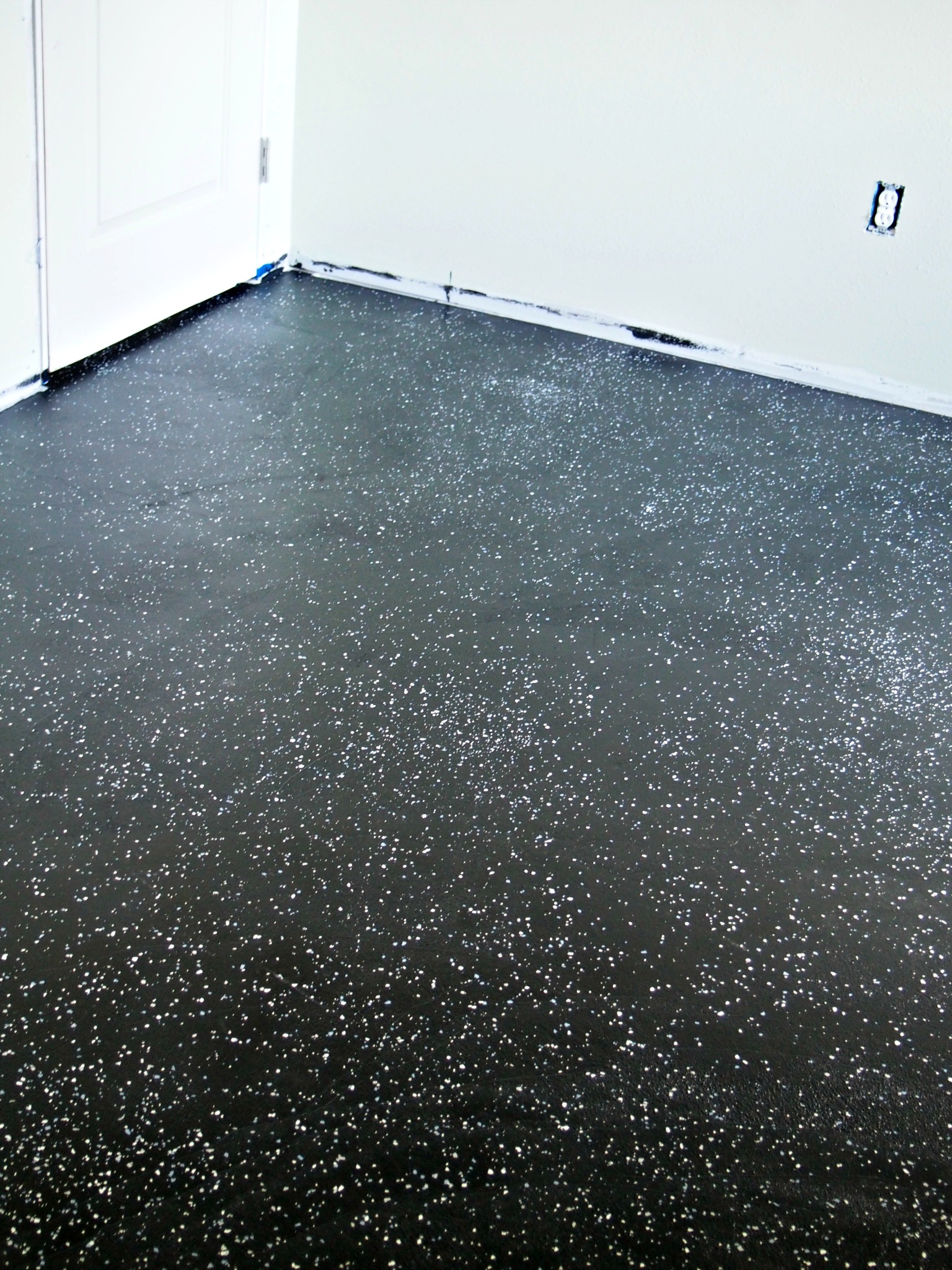
I painted a floor.
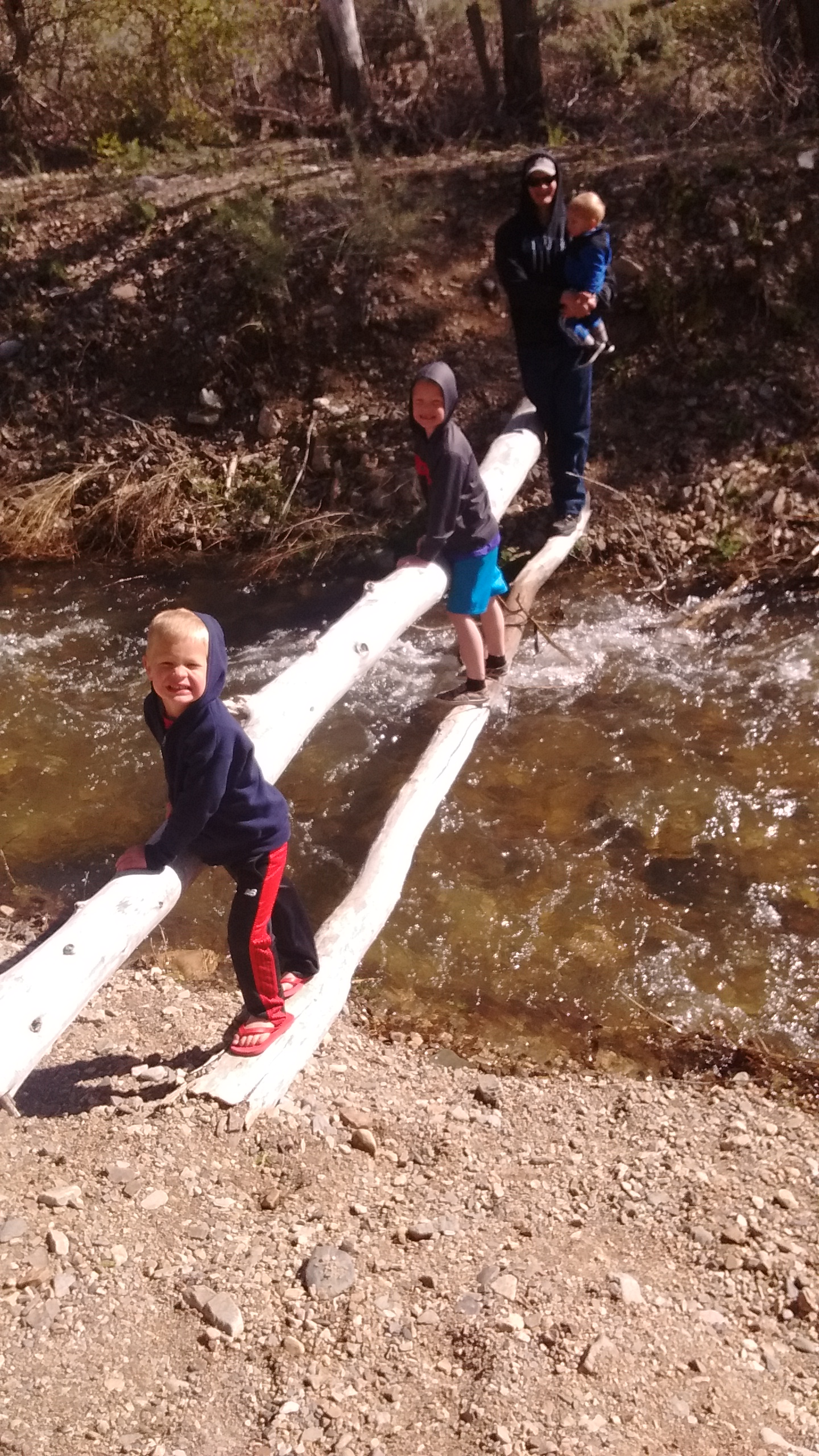
I went on a walk, and met my family at a new pond we had fun exploring. I’m happy to find new places to visit, even after living here for three years.

The garden is really weedy, but weeds are only a problem if you see them that way. When we moved in, I remember digging in the soil and not finding any worms anywhere. Now the worms are all over. I think a big reason for this cha nge is my weeds.
I weed when I have something else I’m trying to grow or where I am trying to maintain appearances. In most of my garden weeds grow freely. I haven’t tilled, I haven’t sprayed. If I’m not trying to grow something, I will cut or mow the weeds down if they get huge, and selectively take out the more noxious ones. I also rotate my chicken pasture, and they do a good job of tearing things up. I use lots of organic mulch as well, including wood chips, straw and leaves in areas where I’m trying to keep weeds away.
My “weedy” garden has better soil from this treatment. Tilling and spraying are awful. Chickens and weeds are awesome. I like to think of weeds as a free cover crop. I know that even if my atypical garden won’t be called beautiful now, down the road it will be easier to get new plants established because I’m building the soil. With weeds.

I see plenty of bare patches exposed to herbicides and useless tillage, all to get rid of the heinous plague of weeds. But in the process, an opportunity is missed to cheaply and easily build up soil.
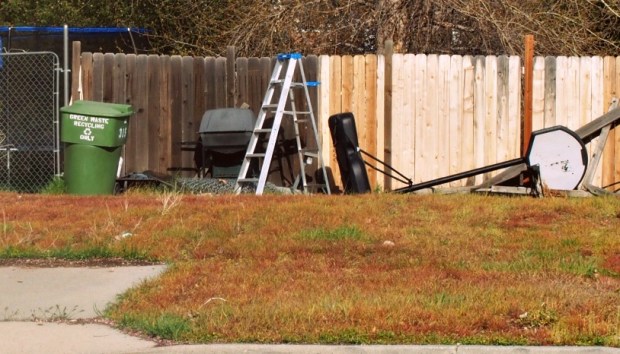
My neighbor recently sprayed this empty plot with week killer. It’s a normal bi-yearly occurrence.
A few suggestions if you would like to use weeds to build soil:
- Get to know your weeds. Some are noxious and need to be removed.
- Cut weeds back before flowering to prevent their further spread.
When you are ready to move from weeds to plants:
- Chickens and other animals to a great job of cleaning the place up.
- Plant a late fall or late spring cover crop or new planting. Weeds come in two stages: winter annuals that germinate in the late fall and are the primary weeds in the spring, and summer annuals that germinate in late spring and are the primary weeds in the summer and fall. Time your cover crops after the previous stage has started to flower or die back, and before the next stage has germinated. This takes a bit of observation to get the right timing. With the right timing, the cover crop has the advantage and will help eliminate many weeds. Just cut back the weeds that are ending and seed the new cover crop or planting. I started a clover lawn this way.
- Mulch. Fall leaves, straw, wood chips all work well. Cut back the weeds, and apply a thick layer of mulch The deeper the better. For really horrible weeds (or lawn), it’s a foot deep layer.
- Tilling is acceptable as well. Adding a bit of compost on at the same time is best.
Okay, end of random garden tidbit. I’ve been writing, teaching and offering advice about gardening for so long that I end up writing about it, not really meaning to.
 Liz Braithwaite