Sheet Mulching a Year Later

We sheet mulched the front yard over a year ago, and I thought it is about time for an update.

I haven’t done anything to it for a year. Added some plants, pulled just a few weeds. It still looks alright, although I do need to add some more mulch. Probably the lowest maintenance thing I’ve ever done.

I came across a bunch of post criticizing sheet mulching from the Garden Professor blog. (Here’s the links: one, two, three. and this one if you are really into a good read about mulches. And the Garden Professor blog is the best garden blog I’ve come across.) The post certainly made me think. I’ve been over-recommending sheet mulching a bit. I still think it is a viable technique, but only under certain situations.

Basically, sheet mulching doesn’t really improve the soil because you create a barrier for air and water on the top. (And I’ve noticed this in mine. I think the weeds gone wild are doing a better job of improving soil than my sheet mulch. It’s pretty sterile under there.) If it is ignored and ill-maintained, it can cause far more problems than benefits.

So when is it okay to use sheet mulching?

1)Temporary weed control such as when you have no idea what you are doing and don’t plan on doing something for a year or so. This was my situation and it worked great. I also don’t have any plans to plant plants that need good soil there (I’m thinking a stock tank pond, a few raised beds, open space), so I’m not too concerned about improving the soil.

2)Pathways (but not anywhere you don’t go frequently).

4)Vegetable gardens (but stick with newspaper not cardboard).

Around trees and shrubs, you’d be better off with a deep layer of course organic mulch like leaves and shredded bark. Unless you have some trees, shrubs, perennials that actually don’t like large amounts of organic matter, like many desert natives.

The interesting thing about the gardening world is recommendations can hardly ever be applies to all situations. The answer is more often than not “it depends.” You really have to know your site, plants and what you are trying to accomplish instead of just accepting whatever comes your way.

Pictures from Early Morning Garden

Some things are slowly coming along in the garden. In some ways it’s been neglected. We haven’t planted much this year besides the vegetable garden. It is turning into my kid’s domain, they spend lots of time out there.

parstrip

agastache2 spiral fence combo

I’m adoring the scarlet runner beans and sunflowers together. backyard

Lately we’ve harvested tomatoes, beets, summer squash, beans, eggplant a few potatoes, and cucumbers. Not a substantial harvest on anything, but enough that I don’t have any vegetables on my grocery list.

swale2 swale

growing

This looks better than last year. We did get the irrigation figured out better, using drain pipes. I also gave up on using the water turn in certain parts of the yard because it was too difficult and have used soaker hoses and the culinary water.

Creating a Harvest

The summer squash has been producing. That’s about it for now. The tomatoes didn’t set fruit in the high temperatures in June. I’m regretting only planting heirlooms. Hybrids often have better fruit set in the heat. The other plants are coming along slowly. But that doesn’t mean I haven’t been able to get a harvest and eat it, just that I have needed to be a little more creative.

For example, I made this stir-fry the other day. Ingredients: summer squash, banana pepper, green onions. beet greens, dandelion greens, fennel leaf, and leftover chicken. I had not idea how it would turn out. It was delicious.

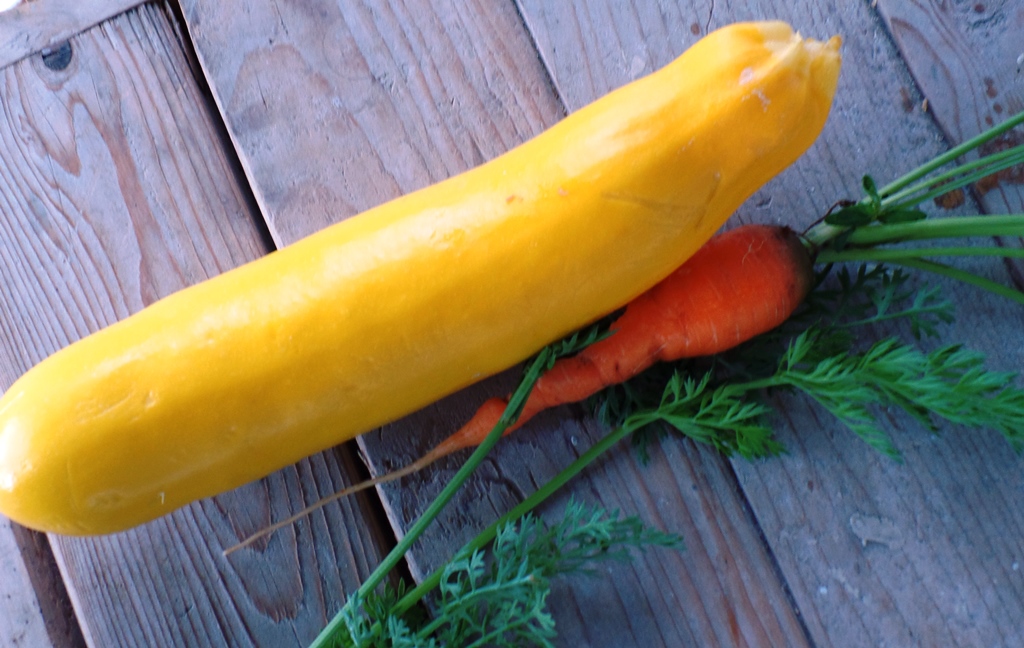
I like eating common weeds. Besides dandelion greens, I’ve also been eating the common weed purslane, especially since my lettuce just started to bolt. (Which I’m fine with. I’m sick of lettuce, we’ve had an unlimited supply the last few months.) Their are veggies I can pick if I don’t mind them small: potatoes, carrots, and beets. I think it is better to pick veggies when you need them, even if they will get bigger. Better to have a small consistent harvest than more produce than you need all at once.

squash

The last of the lettuce.

The last of the lettuce.

Tomatillos

There are tomatillos everywhere. I planted two. I have tomatillos where I planted them last year. I have tomatillos next to where I planted them. I have tomatillos in the backyard where I gave the old plants to the chickens. If nothing else, I should get plenty of tomatillos this year.

tomatillos
Most of the back half of the first picture is tomatillos. The chickens planted these ones.

My spring garden is still going strong, and I have some broccoli that I had nearly given up on. Soon, I’m planning on ripping some of it out and planting fall crops. I’ve never been good at fall crops because you have to plant them in July. And by the way, straw bale gardening is too dry. I don’t like it–I have to water the thing every day and it’s not even doing good.
spring garden

My first garlic crop ever. I was a bit late harvesting these. With how much I use garlic, this is a probably over a year’s supply.
garlic

The herb spiral looks great. I just need to actually use it more. So what do I put in my soup tonight–fennel, sage or rosemary? I also have yarrow and chamomile here.
spiral

This planter looks awful. My kids planted the corn stalk and I just kept it. It isn’t a bad idea, but doesn’t quite work off center.
planter

Agastache that I planted from seed. It isn’t too showy, but still fragrant and I love the mix of colors on the flowers.
perennials

A month ago, my neighbor asked if I planted my garden and then asked where. I realized that you couldn’t tell where I had planted anything, because I didn’t plant in bare soil just chopped cover crop. Well, now you can tell. It’s actually less weedy than I think bare soil would have been. I did have to keep chopping back the cover crop for a few weeks, but otherwise it worked great. The plants have been a bit slow, no harvests yet. Should have summer squash in a few days with cherry tomatoes close behind.
swales

Looking Back through Posts

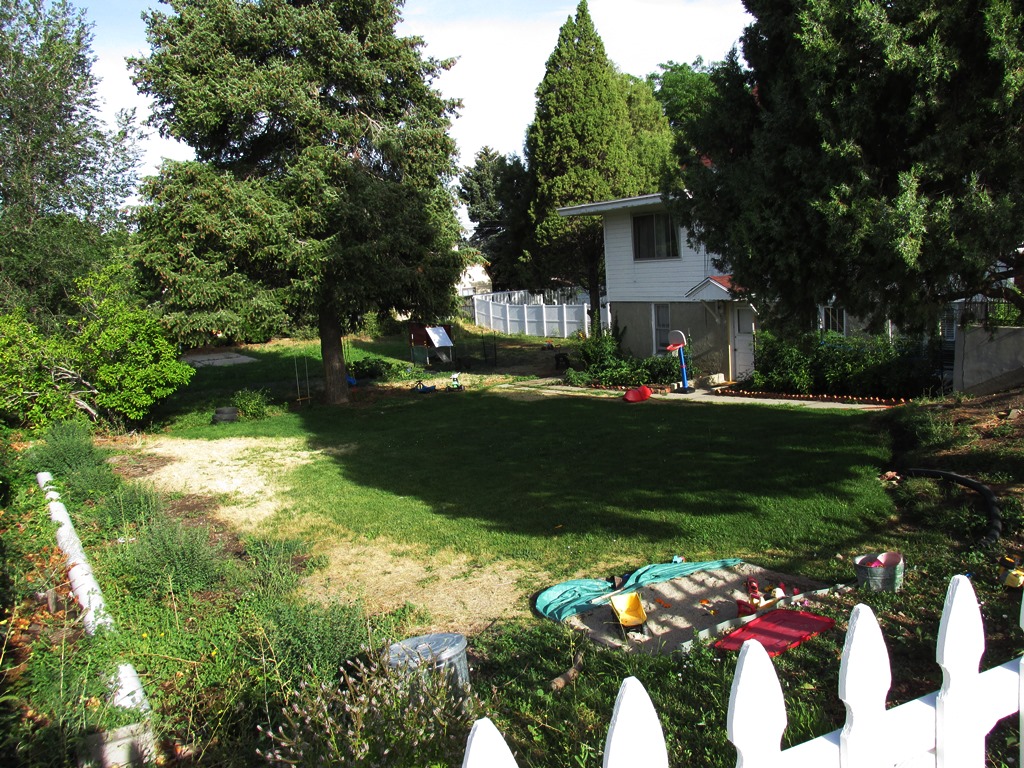
I’ve been feeling a bit down about my yard: it is covered in weeds. I don’t feel like I really know what I’m doing, and if I did everything would look a lot better. I try to write at least once a week, and not wanting to write anything, I decided to sort through some old blogs posts.

I have posts from five years ago, what I was doing then in my garden that was north facing patio. I have failed a ton. I have also succeeded. I have learned from my failures and successes, and I am gardening better. My view and knowledge of gardening has grown from doing my best where I was and also experimenting a lot.

Gardening is interesting. I went to school in Horticulture. I’ve grown gardens everywhere I’ve lived. I give people advice and even get paid for it. I am not a beginner. Yet I also feel I have a lifetime of knowledge yet to gain. I might not be a beginner to most people’s standards, but I feel like one compared to the vastness of wisdom and knowledge I can still gain. Gardening is studying ecology, biology, climate, soils, art and more. It is studying the work of God, and any study of that will take longer than a lifetime to figure out.

Back to my garden: I started to see it a little differently. Yes, they are rampantly growing weeds everywhere. It looks, to a normal person, like a mess. But it so abundant compared to pictures from a year ago. Then soil stayed bare. Weeds grew slowly. The landscape was flat, boring, dry. It isn’t anymore. It doesn’t meet a normal standards for a good garden. But it is my garden, and in it I can see years of changing views, years of studying, and an attitude of throwing out traditional practices.

home

My garden does not meet traditional standards for I have made my own standards of experimentation, permaculture, and patience.

And I remembered why I’m blogging. It’s a little bit for people who might read this and gain something. It is far more about me being able to see where I’ve come from and understand where I am in the present.

Harvest

harvest

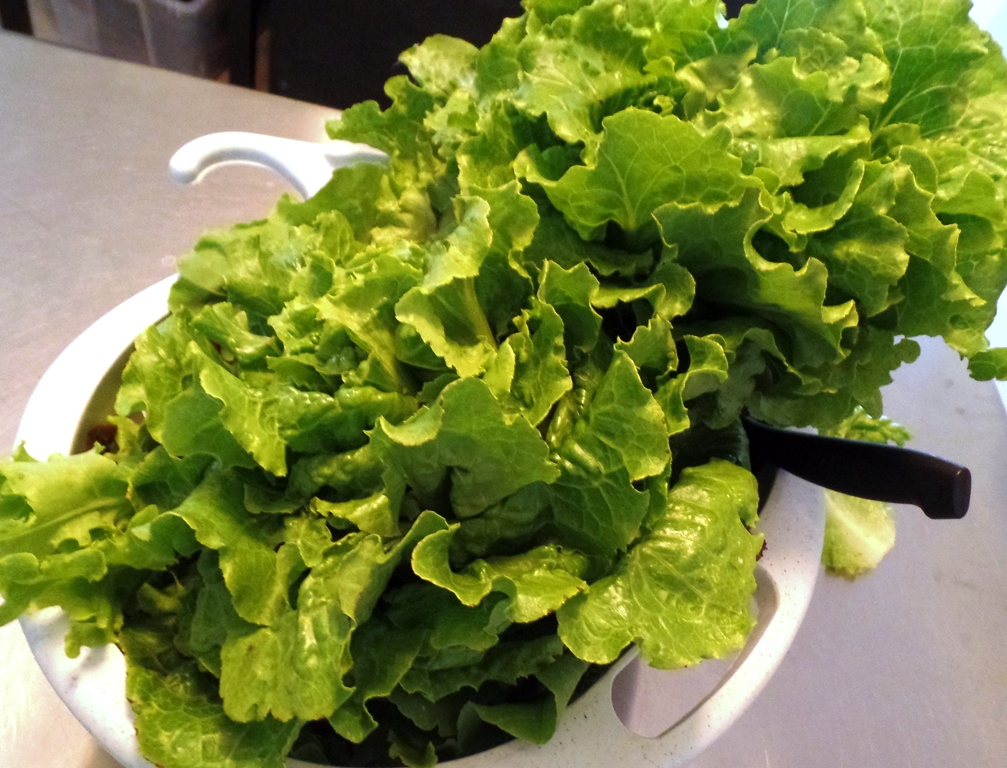
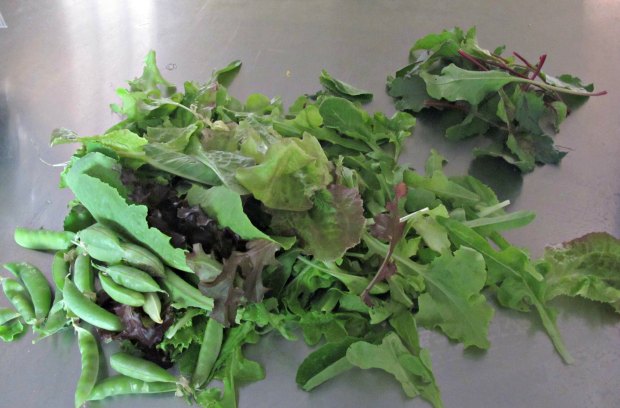
I’ve had vegetables waiting for me. Mostly lettuce. It’s been outside for weeks. I will occasionally go pick some when I needed it, but not that much. Finally I realized I just needed to pick a bunch and bring it inside. That way I would be more likely to use it. And it is nice and crisp in the morning, rather than in the evening when it can get a bit wilted. Maybe we should be eating salads for breakfast–that’s when they would be the most fresh and taste the best from the garden.

garlic

I also had my first harvest of garlic scapes and made a pesto with them. It was very strong, and I got thinking about the allician content of the scapes. I’m guessing (based on taste and smell) it would be pretty high. I’ve also been noticing that a little bit of dirt usually comes in with the harvest and often persists even after washing. I’ve kind of thought that this is actually a good thing, and that exposure to dirt can actually help us be more healthy. (You can google this.)

Anyway, that is my health-related advice from observation in the garden today. It has no scientific backing, but I haven’t been sick, other than colds, for a very long time. I thinking eating from my own garden has a lot to do with that.

Organic Weed Killer Review

I’m suspicious of organic weed killers. It seems to me that they are either very ineffective, or actually pretty toxic. (Vinegar at high conversations is nasty stuff.)

I saw this organic weed killer, and just ignored it at first. Someone else later recommended it, so I went ahead and bought the recipe and gave it a go.

Two hours later, here were my weeds. The brown is were I applied the weed killer. I was surprised at how quickly it work.

IMG_1201

The weeds continued to turn brown and die back. Here’s my thoughts on what I think is going on. This suffocates the plants, plugging up the stomata, preventing the plant from transpiring or getting air. It worked better when the plants were in full sun.

There are limitations to this: it had to be applied pretty thickly to be effective, and just isn’t practical for large areas. It also works as a contact herbicides, so it isn’t going down into the roots like a traditional systemic herbicides like roundup. The bindweed it “killed” grew back in a couple weeks.

I think I mostly prefer chickens, cover cropping, sheet mulching and hand wedding to this method, but it has its place.

Learning

I wish this was a nice how-to post about how to have a good irrigation system. But it’s not. The biggest problem and workload in the garden is the irrigation right now. If anything is going to get watered, I have to do it. And I’m not doing so hot. Lots of things are drying up. The rainy month of May has turned into a normal hot, dry June. And the plants aren’t loving it.

Part of the reason the irrigation is so off is we have a weekly old-school water turn. I would like to irrigate just off of the water turn. Some places flood fairly well. The swales aren’t too bad. What remains are a bunch of areas that I’ve currently been watering with milk jugs turned into drip emitters. It actually doesn’t work that bad, but I just have too much to water. Over an hour twice a week of hand watering is not pleasant.

I still have no idea what I’m going to do everywhere…but if I don’t figure it out, I’m not going to have a great garden. I think the first (and easiest) step is to just go put some more mulch on everything. I’ve even got a big pile of straw that needs to be used.

Picture updates:
interplant
interplant2
This is my inter-planted spring crop. Doing okay, I’ve had tons of lettuce out of there, as much as I’ve wanted. I could have been picking more. There are a few beets and carrots that look good in there…nothing has germinated in my straw bale gardens, so I think I will be planting something new there.

potatoes
I watched this video about planting potatoes…and thought I would go for it. It was easy and turned out successfully (well, judging by the plants, but I assume I’ll get potatoes as well). I just threw the potatoes on the ground and buried with straw. I didn’t dig in the soil at all. They are interplanted with some onions.

spiral
The herb spiral looks great…only wish I would have actually planned out the herbs better instead of just filling it with what I had.

swales
Swale mounds are planted up with veggies. Hard to tell in this picture. Some are doing well, some need more water. Next time, I would have planted everything close to the water line–the tops of the mounds get pretty dry. I seeded some things in. They weren’t marked, which was a mistake, because I haven’t been able to watch them to make sure they didn’t get buried in mulch and they were watered well. I don’t know if I will ever seed straight into a chop-and-drop cover crop again, but if I did, it would need to be marked!

Everything is going alright in the garden. I’ve realized I’m experimenting a lot (about everything is non-traditional) and really learning a lot from doing so. But I should have done some of the garden normal too. Then I could compare to my experiments, and also so if the experiments fail (which is fine, learning comes as much from failure as success), I would still have some produce to eat.

You know if nothing works out this year, at least I have learned a ton!

Remodel Update

We have walls! Having the walls up is a great first step. Joe’s work hasn’t been that busy, so it’s been nice to have him home more to get it done.

For the first time since we moved in, the bathroom has a proper door. It had a bifold door when we moved in, and after one too many fingers crushed inside that, we removed it and put a curtain on. We finally got the hall moved giving us the space we needed to get a door on the bathroom. It’s still a funky space, but that is just the nature of an old house.

There is still so much to do downstairs, but it is progressing. And it’s actually almost livable if you don’t mind plain Sheetrock and unfinished floors.

Uphill

I stated planting my hugel mounds. It felt and looked weird. It wasn’t clean bare soil, just chopped down cover crop. It is normal to plant in tilled bare soil, but I haven’t tilled at all this year. I’ve planted in soil that was mulched with leaves over the winter, soil bare after the chickens had scratched for a few weeks, tucked in plants next to existing ones, planted through sheet mulch and now hugel mounds with a chop and drop cover crop. I’m not in a hurry to get out the tiller: everything I did was much simpler.

tomatoplantmay

It didn’t feel wrong.  In some ways it felt and looked more right than what we normally do. So often in gardening we are trying to move against succession. We try to maintain sterile mono cultures of annual plants, where nature wants to progress into perennials. Nature avoids bare soil and monoculture, so I’m avoiding it in my own garden as well.
I might be stuck with small unproductive plants and weeds come summer. The rain and hail that has been pounding us since I planted isn’t helping either. But if it fails, I’ll just adjust my system. But for now I’m enjoying the experiment. And wondering why in the world I own a tiller.